 Skip to main content
Skip to footer
Skip to main content
Skip to footer

Marketing Tips
The Biggest Marketing Myths SMEs Need to Stop Believing

The Hidden Cost of Believing Marketing Myths in Your Business
Small and medium-sized enterprises (SMEs) often misunderstand, misuse, or under-prioritize marketing. The result is wasted budgets, missed opportunities, and marketing activity that delivers little to no return. Much of this waste stems from common misconceptions and myths that have been repeated so often that they have come to sound like facts. These myths can stop businesses from building effective marketing strategies, investing wisely, and achieving sustainable growth.
The Strategic Marketing Mastery course helps SME owners and marketing professionals break free from the myths that hold their marketing back by teaching them how to build structured, measurable, and profitable strategies. Through a clear, step-by-step process, learners gain the knowledge and tools to identify their audience, craft compelling messages, and make data-led marketing decisions that drive ROI. This comprehensive course transforms confusion into confidence, empowering businesses to replace guesswork with strategy and achieve sustainable growth. Contact Us: 0333 320 4108 or info@opportunitymarketing.co.uk.
Understanding the Danger of Marketing Myths
Misunderstanding marketing can cost businesses thousands every year. Many SME owners and managers adopt strategies based on hearsay, outdated advice, or the success stories of other industries. This leads to decisions made without evidence, creating campaigns that fail to deliver results or align with commercial goals.
The problem is not just about wasted money; it is about opportunity cost. Every pound invested in the wrong activity is one that could have been allocated to something more effective. Marketing myths encourage reactive thinking, chasing trends, copying competitors, or hoping that creativity alone will bring success.
Opportunity Marketing’s philosophy is built around strategy first, execution second. Businesses find themselves uncertain about which tactics to employ in the absence of a structured strategy. Understanding the difference between myth and reality is the first step towards developing an ROI-driven marketing strategy that supports long-term growth and financial stability.
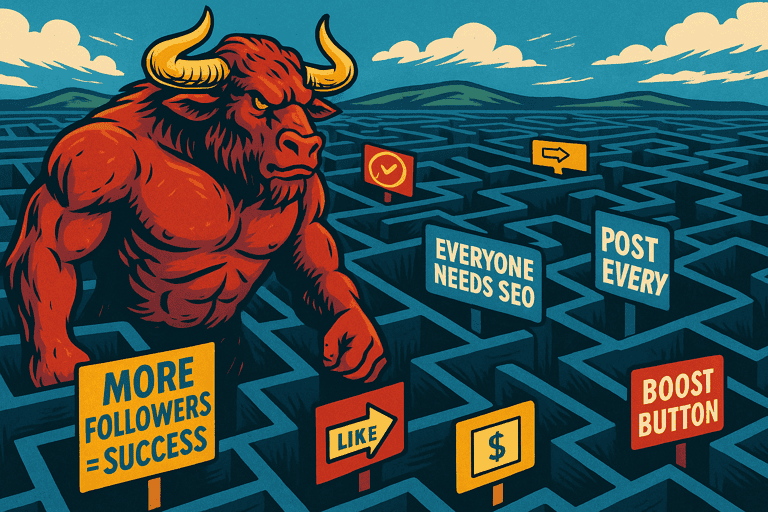
Myth 1: Marketing Is Just Advertising
One of the most common misconceptions among SMEs is that marketing is simply about running advertisements. Advertising is only one small element of a broader marketing strategy, and relying on it alone is like building a house by painting the front door before laying the foundations.
Advertising promotes a message, but marketing defines what that message should be, who it should reach, and why it matters. Before spending on ads, businesses must understand their audience, value proposition, pricing strategy, and competitive positioning. Without these fundamentals, advertising becomes guesswork.
Effective marketing creates the framework for advertising success. It starts with understanding the target audience’s pain points, motivations, and buying habits. Once a clear strategy is in place, advertising can then be used as one of many tools to amplify that message and convert awareness into action.
Myth 2: A Great Product Will Sell Itself
Many entrepreneurs mistakenly believe that a superior product or service inherently generates sales. While quality is critical, success depends on visibility, perception, and communication. Without marketing, even the best products remain undiscovered.
Consider how crowded every industry has become. Every day, potential customers encounter thousands of messages from dozens of businesses offering similar services. If a business does not communicate effectively, it will be overshadowed by competitors with stronger marketing even if their products are inferior.
The key is positioning. SMEs must define what makes their product valuable, communicate this clearly, and build trust before expecting customers to buy. Great marketing amplifies outstanding products; it does not replace them.
Myth 3: Marketing Is an Expense, Not an Investment
Another damaging myth is the belief that marketing is simply a cost. Marketing, when executed strategically, is one of the most important investments a business can make. An investment is different from a cost because it is expected to bring in a measurable return.
Always link marketing to business objectives like revenue growth, lead generation, or customer retention. Measuring results through data such as cost per acquisition (CPA), return on ad spend (ROAS), and customer lifetime value (CLV) transforms marketing from guesswork into a commercial function.
Businesses that view marketing as an investment are more disciplined and analytical. They focus on performance metrics, test different channels, and adjust based on data rather than assumption. Over time, this builds a self-improving marketing system that continually drives profitability.

Myth 4: Anyone Can Do Marketing
The rise of social media and easy-to-use digital tools has led some business owners to think that anyone can manage marketing. While anyone can post online or create a flyer, marketing strategy requires expertise, analysis, and commercial understanding.
Marketing decisions influence brand perception, pricing, customer retention, and even the long-term viability of a business. Without proper training or experience, it’s easy to make mistakes—targeting the wrong audience, setting unrealistic budgets, or communicating an unclear value proposition.
Strategic marketing consultants help businesses bridge this gap. They bring objectivity, experience, and proven methodologies to define the right approach. Marketing expertise is not about making things look appealing; it is about making the right business decisions that lead to measurable outcomes.
Myth 5: Marketing Is All About Creativity
Creativity plays an important role in marketing, but without structure and evidence, it achieves little. A well-designed campaign must be backed by insight, research, and commercial logic. The most visually impressive campaigns can fail if they do not address the audience’s needs or align with business goals.
Successful marketing blends art and science. It combines creative storytelling with data analysis, customer insight, and strategic planning. Every creative idea should have a commercial purpose to attract, convert, or retain customers.
Businesses that prioritise creativity without analysis risk producing campaigns that are memorable but ineffective. Instead, creativity should be used to enhance strategy, not to replace it.

Myth 6: More Channels Mean Better Results
Many SMEs believe that being active across multiple channels guarantees success. The truth is that spreading resources too thinly often leads to weaker results. Each channel requires time, expertise, and consistency to generate returns.
Success comes from understanding where the audience is most active and concentrating resources there. For some businesses, that might be LinkedIn or Google Ads; for others, email marketing or industry partnerships may perform better.
The process begins with research and testing. Start by identifying your audience’s preferred platforms, then track performance metrics such as engagement, conversion rate, and ROI. Once the most effective channels are identified, focus on optimising them rather than trying to be everywhere at once.
A smaller number of high-performing channels will deliver far greater value than a diluted presence across many.
Myth 7: Marketing Success Happens Overnight
Instant results are rare in marketing. Building brand awareness, trust, and consistent sales takes time and persistence. Many SMEs abandon strategies too early because they expect immediate outcomes, not realising that marketing compounds over time.
Effective marketing operates like investment growth; it builds momentum gradually. Before generating steady returns, campaigns require time to collect data, refine, and reach their target audiences multiple times. Businesses that shift direction too quickly often interrupt this process and lose progress.
The most successful SMEs take a long-term view. They create structured plans with measurable milestones, review data regularly, and make adjustments based on what works. Patience, combined with consistent effort, leads to predictable and sustainable results.
Myth 8: Digital Marketing Alone Is Enough
Digital marketing is essential, but it is not the entire picture. Relying solely on digital channels can make businesses vulnerable to algorithm changes, rising ad costs, or online saturation. Offline marketing, public relations, and relationship building still play vital roles in many industries.
An integrated approach blends digital and traditional tactics to reach audiences across multiple touchpoints. For example, a business might use LinkedIn for brand awareness, webinars for lead generation, and direct events for personal engagement.
Each channel should serve a specific purpose and complement the others. The goal is not to choose between online and offline marketing but to create a unified strategy that reflects how customers actually make decisions.
Myth 9: Marketing Agencies Always Know Best
Many SMEs assume that hiring a marketing agency automatically guarantees success. While agencies provide valuable expertise, they often have vested interests in promoting their services, such as PPC, SEO, or branding, rather than what is best for the client.
These behaviours can lead to fragmented marketing where each supplier focuses on their own specialism without aligning with a wider strategy. The result is inconsistent messaging and wasted spending.
An impartial marketing consultant offers a more objective perspective. They act as a strategic advisor, identifying the most effective tactics and managing agencies or suppliers to deliver results in line with a single, unified strategy. Independence eliminates the bias that often drives agencies to prioritise sales over outcomes.

Myth 10: Marketing Is One-Size-Fits-All
Perhaps the most dangerous myth is the belief that a universal marketing formula can work for every business. Because businesses have different audiences, resources, and goals, copying another company’s approach rarely produces the same results.
Effective marketing is tailored. It starts with knowing your business’s unique dynamics: your customers, their buying habits, and their motivations. From there, a bespoke strategy can be developed covering pricing, positioning, messaging, and delivery channels.
Generic marketing leads to generic outcomes. A tailored approach, on the other hand, creates alignment between marketing activities and commercial objectives, making every action purposeful and measurable.
The Truth Behind Effective Marketing
Behind every successful marketing strategy lies a structured process that replaces assumptions with evidence. Businesses that thrive are those that adopt a strategic mindset, measure performance, and adapt based on data.
Key principles that define marketing success:
- Strategy before spend: Always develop a marketing plan before investing in tactics.
- Measurement over guesswork: Track performance metrics such as ROI, CPA, and CLV to evaluate success.
- Consistency builds momentum: Long-term commitment creates brand credibility and recognition.
- Integration delivers synergy: Combine online, offline, and referral channels to strengthen impact.
- Customer insight drives results: Use data and feedback to refine targeting and messaging.
Businesses that follow these principles achieve predictable growth because every marketing activity connects back to a strategic goal.
Why Marketing Myths Persist
Marketing myths persist due to their tendency to exaggerate the small amount of truth they contain through repetition. Business owners share their experiences with limited context, creating misleading narratives that spread quickly.
Another reason myths persist is that many SMEs rely on agencies or suppliers whose advice may be commercially motivated. Without independent guidance, businesses can fall into cycles of unproductive spending, believing that failure was due to execution rather than flawed strategy.
Education and objectivity are the best defences against these misconceptions. Engaging with marketing professionals who prioritise data and evidence over trends can transform how SMEs approach growth.
How to Build a Strategy-First Marketing Approach
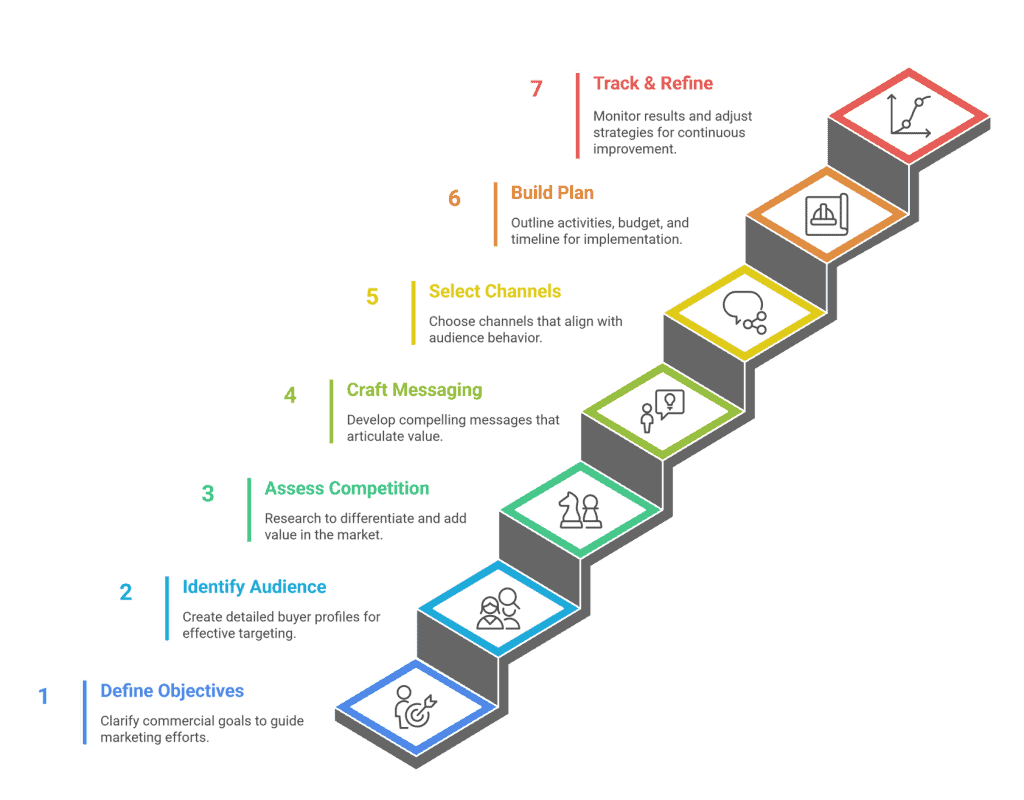
Creating a strategy-first approach requires discipline and structure. The process should start with clarity in understanding what the business wants to achieve and who it serves. Below is a step-by-step guide SMEs can follow:
Step 1: Define Business Objectives
Clarify commercial goals such as revenue targets, profit margins, or customer acquisition numbers. Every marketing activity should directly support these outcomes.
Step 2: Identify Your Target Audience
Create detailed buyer profiles covering demographics, motivations, and pain points. The more precisely you define your ideal customer, the easier it becomes to reach them effectively.
Step 3: Assess Your Competitive Position
Conduct research to identify how your business compares to competitors. Look for gaps in the market, opportunities to differentiate, and areas where you can add value.
Step 4: Craft Your Messaging
Develop clear, compelling messages that articulate your value proposition. Focus on solving customer problems and emphasising benefits rather than features.
Step 5: Select the Right Channels
Choose marketing channels that align with where your target audience spends their time. Concentrate on quality rather than quantity.
Step 6: Build a Marketing Plan
Outline the activities, budget, and timeline for implementation. Include performance metrics and review points to evaluate success.
Step 7: Track, Review, and Refine
Monitor results regularly and adjust based on data. Marketing is a continuous improvement process; measurement leads to better decision-making and greater ROI.
This structured framework ensures that marketing activity remains strategic, accountable, and commercially viable.
Common Red Flags That Indicate Myth-Driven Marketing
Recognising the warning signs of myth-driven marketing can help businesses correct their courses before too much time or money is lost.
Examples of common red flags include:
- Marketing decisions are made based on trends rather than data.
- Frequent campaign changes without analysis of results.
- Lack of clear metrics for success.
- Overdependence on agencies without internal understanding.
- Inconsistent branding or messaging across channels.
If any of these apply, it is time to step back and reassess strategy. Conducting a marketing audit can identify weaknesses, highlight opportunities, and restore alignment between marketing and business objectives.
The Commercial Value of Busting Marketing Myths
Eliminating marketing myths is not just about correcting misconceptions; it directly impacts profitability. Businesses that replace myths with strategy-driven marketing experience several key advantages:
- Higher ROI: Every activity is measured and optimised for performance.
- Improved Decision-Making: Choices are based on evidence rather than assumptions.
- Brand Consistency: Messaging and positioning align with business goals.
- Customer Retention: Clear communication and trust foster long-term relationships.
- Sustainable Growth: Marketing evolves alongside the business, not in isolation.
This strategic clarity saves money and builds a culture of accountability where marketing contributes directly to commercial success.
How Opportunity Marketing Helps SMEs Break Free from Marketing Myths
Opportunity Marketing specialises in helping small businesses replace confusion with clarity. Through structured consultancy, mentoring, and online training, businesses learn how to think strategically, invest wisely, and achieve measurable results.
Key services that support this process include:
- Fast Track Marketing Plan: A four-week structured consultation providing a tailored marketing strategy built around clear objectives and ROI.
- Outsourced Marketing: For businesses without in-house teams, this service acts as a full marketing department managing implementation and performance.
- Marketing Mentoring: Ongoing support for junior marketers or business owners needing strategic guidance.
- Online Training Courses: Programmes such as Strategic Marketing Mastery and Become a Marketing Consultant equip professionals with the tools to develop and execute effective strategies.
Each of these services reflects the Opportunity Marketing principle that marketing should always be strategic, data-led, and commercially accountable.

The Role of Measurement in Modern Marketing
One of the biggest distinctions between successful and struggling businesses lies in measurement. Without tracking results, marketing becomes guesswork. SMEs should adopt simple but effective measurement frameworks to evaluate performance.
Core metrics to track include:
- Customer Acquisition Cost (CAC): The total cost of acquiring each new customer.
- Customer Lifetime Value (CLV): The total profit expected from a single customer over time.
- Return on Investment (ROI): Profit generated relative to marketing spend.
- Conversion Rate: The percentage of prospects that turn into paying customers.
- Retention Rate: How effectively a business maintains long-term relationships.
Analysing these metrics helps identify what works, where improvements are needed, and which marketing channels deliver the greatest returns. Measurement transforms marketing into a predictable, scalable growth function.
Building Long-Term Marketing Confidence
Moving away from myths requires a mindset shift. Marketing confidence comes from clarity in knowing why you are taking specific actions, how you will measure success, and what outcomes to expect.
Businesses that follow a structured approach experience greater stability and adaptability. They no longer panic when one campaign underperforms because they understand how to interpret results, optimise activity, and protect ROI.
Long-term confidence also develops through continuous learning. Investing in staff training, mentoring, or consultancy not only enhances internal capability but also embeds commercial awareness into the business culture.
Stop Believing the Myths, Start Building the Strategy
Marketing myths have cost SMEs millions in wasted time, effort, and resources. Believing that marketing is just advertising, that great products sell themselves, or that success can happen overnight limits business growth. The truth is that marketing is a strategic, measurable, and commercial discipline that requires expertise and commitment.
By replacing misconceptions with structured strategy, clear measurement, and evidence-based decision-making, SMEs can move from uncertainty to predictable, profitable growth.
Marketing is not about trends or guesswork; it is about building a system that drives consistent results. The businesses that thrive are those that understand that success comes not from believing myths but from mastering strategy.
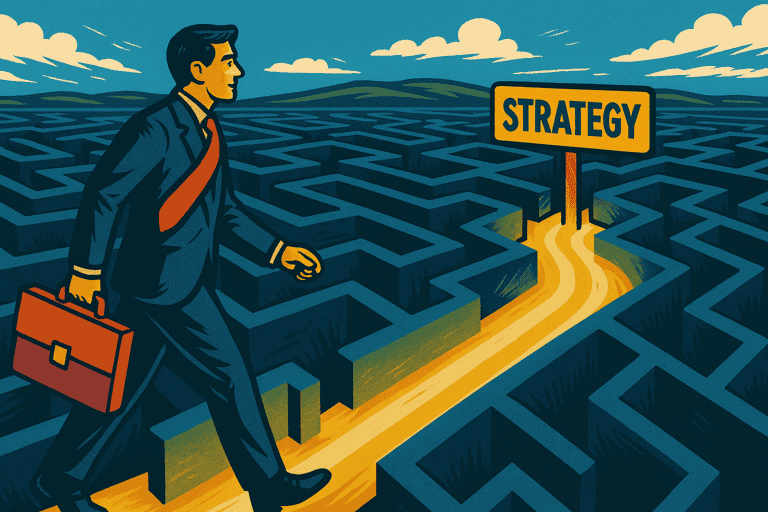
Work With Opportunity Marketing
If your business has fallen victim to marketing myths or struggled to see a return on your marketing spend, Opportunity Marketing can help you change direction. Our strategy-first consultancy approach gives SMEs the clarity, structure, and confidence to invest in marketing that delivers measurable results. Whether you need a tailored Fast Track Marketing Plan, expert guidance through Marketing Mentoring, or hands-on support via our Outsourced Marketing service, we’ll help you make smarter marketing decisions that drive sustainable growth.
Request a Free Consultation
Let’s talk about how we can help you stop reacting to agency ideas and start driving your marketing with purpose. Complete our quick inquiry form or give us a call; we’ll walk you through what’s possible and how to get started.
Visit: opportunitymarketing.co.uk
Call: 0333 320 4108
Email: info@opportunitymarketing.co.uk


Ian Kirk
Founder at Opportunity Marketing
Ian is the founder of Opportunity Marketing marketing, with over 18 years of experience in successfully setting up marketing departments, creating marketing strategies and implementing these strategies across a wide number of SME companies in both the B2B and B2C sectors through a variety of channels.

A-Z OF MARKETING
A complete guide that simplifies the wonderful world of marketing.
 Download Now


