 Skip to main content
Skip to footer
Skip to main content
Skip to footer

Uncategorized
How Consumer Behaviour Shapes Successful Marketing Strategies

Understanding What Drives Consumer Buying Decisions
Consumer behaviour sits at the centre of every successful marketing strategy. Whether a business sells products, services, training, consultancy, software, or professional expertise, understanding how customers think, research, compare, and buy directly influences marketing performance. Organisations that understand their customers can create more relevant messaging, improve customer experiences, and make better strategic decisions.
Customer expectations across the UK continue to change rapidly. Digital channels, social media, online reviews, economic pressures, and technological advances have altered how consumers make decisions. Purchasing behaviour today is often influenced by multiple touchpoints, making it essential for businesses to understand the complete customer journey rather than focusing solely on the point of sale.
Marketing strategies built on assumptions often struggle to generate consistent results. Customer-centred strategies built on behavioural insights typically produce stronger engagement, improved conversion rates, better customer retention, and a higher return on marketing investment. Understanding consumer behaviour is no longer a competitive advantage alone; for many organisations, it has become a business necessity.
Opportunity Marketing’s Strategic Marketing Mastery course helps business owners, managers, and marketing professionals develop a deeper understanding of consumer behaviour and how it influences marketing performance, customer engagement, and business growth. Learners gain practical skills in customer research, audience segmentation, strategic planning, positioning, and marketing decision-making, enabling them to create marketing strategies based on evidence rather than assumptions. The programme provides a structured framework for understanding customer needs, adapting to changing consumer trends, and building marketing strategies that deliver measurable and sustainable results. Contact Us: 0333 320 4108 or info@opportunitymarketing.co.uk.
What Is Consumer Behaviour?
Understanding Consumer Behaviour
Consumer behaviour refers to the actions, decisions, motivations, and thought processes people follow when purchasing products or services. It covers everything from recognising a need and researching solutions to making a purchase and evaluating the experience afterwards.
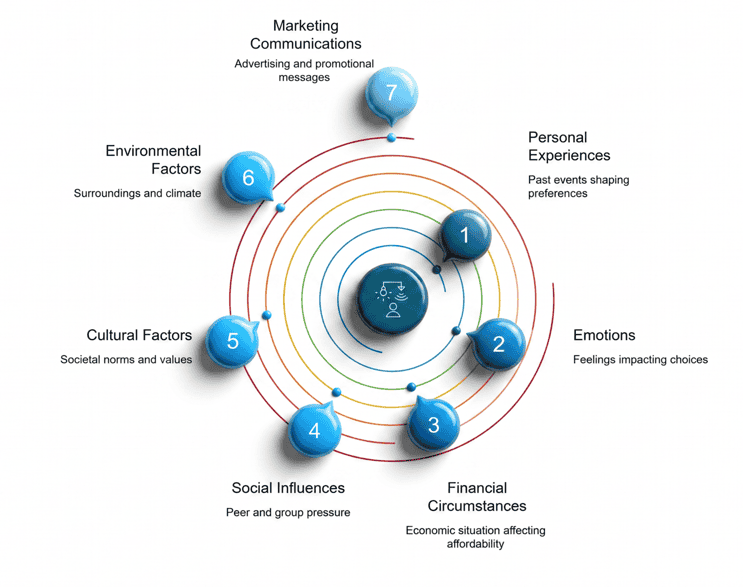
Customers rarely make decisions in isolation. Their choices are influenced by personal experiences, emotions, financial circumstances, social influences, cultural factors, environmental factors and marketing communications. A consumer purchasing a training course, for example, may be motivated by career progression, compliance requirements, employer expectations, or personal development goals.
Understanding consumer behaviour helps businesses identify why customers buy, when they buy, and what influences their final decision. These insights allow marketers to develop strategies that align with genuine customer needs rather than internal assumptions.
Why Consumer Behaviour Is Important to Marketers
Marketing becomes significantly more effective when it reflects real customer motivations. Businesses that understand their audiences can create more relevant content, improve targeting, and deliver messages that resonate with potential customers.
Consumer insights also reduce wasted marketing expenditure. Rather than promoting products to broad audiences, marketers can focus resources on customer groups most likely to engage and convert. This approach improves efficiency and strengthens overall marketing performance.
Customer behaviour data also supports long-term strategic planning. Businesses can identify emerging trends, adapt to changing market conditions, and develop products or services that better meet customer expectations.
Consumer Behaviour in the Modern UK Marketplace
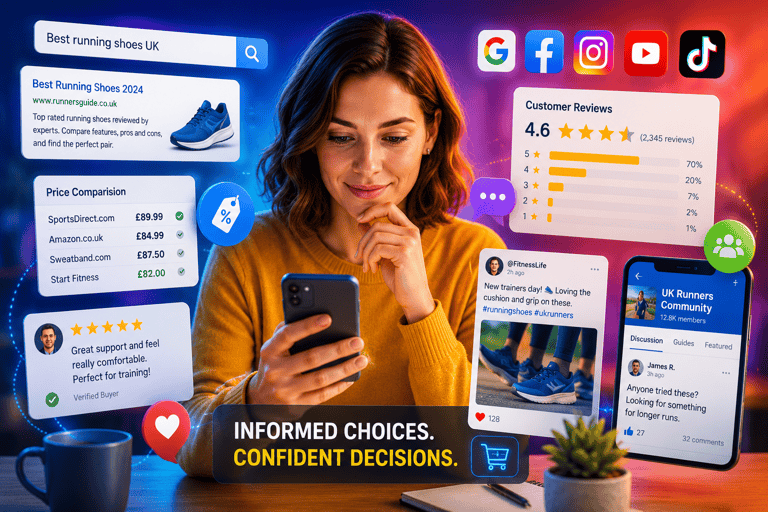
Modern UK consumers have access to more information than ever before. Search engines, comparison websites, customer reviews, social media platforms, and online communities all influence purchasing decisions.
Price remains important, but value has become equally significant. Customers increasingly seek transparency, authenticity, and evidence that products or services will genuinely solve their problems. Trust has become a major purchasing factor across both consumer and business markets.
Sustainability, ethical business practices, and customer service standards also influence buying decisions. Many consumers now evaluate organisations based on values as well as products, creating new opportunities and challenges for marketers.
The Key Factors That Influence Consumer Behaviour
Psychological Factors
Psychological influences play a major role in consumer decision-making. Motivation drives individuals to seek solutions to problems, while perception affects how they interpret marketing messages and brand communications.
Previous experiences also influence future purchasing behaviour. Positive interactions often encourage repeat business, while negative experiences can damage trust and reduce customer loyalty. Learning from past experiences helps consumers make future purchasing decisions more confidently.
Attitudes and beliefs can have a powerful impact on brand preferences. Consumers often develop strong opinions about products, organisations, industries, and social issues, which subsequently influence their buying choices.
Personal Factors
Personal circumstances frequently shape purchasing decisions. Age, income, education, career stage, family responsibilities, and lifestyle preferences all influence how consumers evaluate products and services.
Younger professionals may prioritise career development opportunities and flexible learning options. Established business owners may focus on efficiency, return on investment, and strategic growth opportunities. Different life stages create different priorities and purchasing motivations.
Lifestyle choices also influence consumer behaviour. Customers often choose brands that reflect their personal values, interests, and aspirations. Successful marketers recognise these differences and tailor their messaging accordingly.
Social Factors
People are heavily influenced by others around them. Family members, friends, colleagues, professional networks, and online communities frequently affect purchasing decisions.
Recommendations remain one of the most trusted forms of marketing. Positive word-of-mouth referrals often carry more credibility than traditional advertising because they originate from trusted sources.
Social media has amplified social influence significantly. Reviews, testimonials, user-generated content, and influencer recommendations now play an important role in shaping consumer perceptions and purchasing decisions.
Cultural Factors
Cultural influences affect consumer expectations, preferences, and behaviours. Different communities and regions may have varying attitudes towards products, brands, pricing, and marketing communications.
Businesses operating across the UK often encounter regional differences in consumer preferences. Understanding these variations can help marketers develop more effective localised strategies and improve customer engagement.
Inclusive marketing has also become increasingly important. Consumers expect businesses to demonstrate awareness of diverse audiences and create communications that reflect modern society.
Understanding the Consumer Decision-Making Process
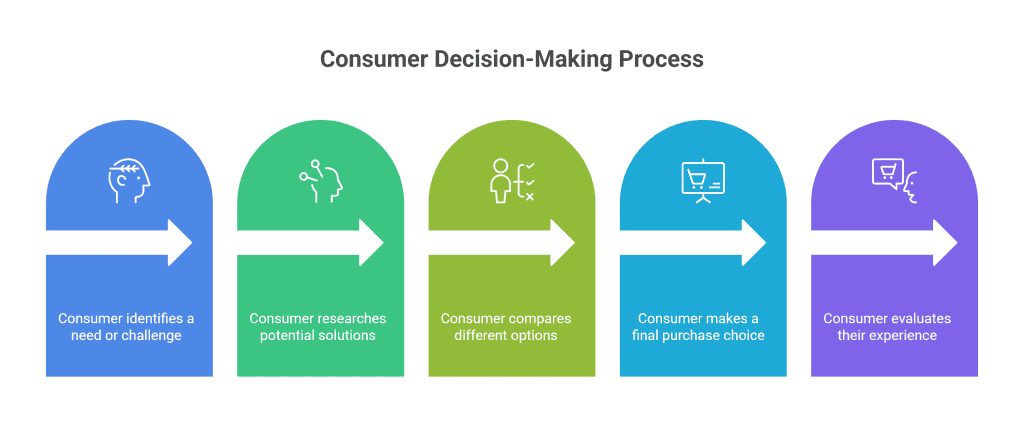
Stage 1: Problem Recognition
Every purchasing journey begins when a consumer recognises a need, challenge, or opportunity. This recognition may result from personal circumstances, workplace requirements, external influences, or changing priorities.
Marketing can play a key role during this stage by helping consumers identify problems they may not have fully recognised. Educational content, industry insights, and awareness campaigns often perform particularly well because they address customer challenges before a purchase decision has been made.
Stage 2: Information Search
Once a need has been identified, consumers typically begin researching potential solutions. Search engines, websites, reviews, social media platforms, and recommendations often become valuable information sources during this stage.
Businesses that provide useful, informative content position themselves as trusted authorities. Educational articles, guides, case studies, videos, and frequently asked questions can help organisations establish credibility and attract potential customers.
Stage 3: Evaluation of Alternatives
Consumers often compare multiple options before making a purchase. Price, quality, reputation, convenience, customer service, and perceived value all influence this evaluation process.
Marketing materials should help customers understand why a particular solution offers advantages over competing alternatives. Clear communication of benefits, outcomes, and customer success stories can strengthen purchasing confidence.
Stage 4: Purchase Decision
The final purchase decision frequently depends on a combination of practical and emotional factors. Trust, convenience, perceived risk, customer reviews, and pricing structures can all influence the outcome.
Businesses that simplify the purchasing process often improve conversion rates. Clear calls to action, transparent pricing, and accessible customer support can help remove barriers that might otherwise prevent a sale.
Stage 5: Post-Purchase Evaluation
Consumer behaviour continues after the purchase has been completed. Customers evaluate their experience and determine whether expectations have been met.
Positive post-purchase experiences often result in repeat business, referrals, and positive reviews. Negative experiences can lead to complaints, refunds, and reputational damage. Successful marketing strategies therefore consider the entire customer lifecycle rather than focusing solely on acquisition.
How Consumer Behaviour Shapes Marketing Strategy
Market Research and Customer Insights
Effective marketing strategies begin with research rather than assumptions. Customer surveys, interviews, analytics data, feedback forms, and market research provide valuable insights into consumer behaviour.
Businesses that regularly analyse customer data gain a clearer understanding of market trends, customer preferences, and emerging opportunities. These insights help inform decision-making and reduce strategic risk.
Strong research also helps organisations identify gaps between customer expectations and actual experiences, creating opportunities for improvement and innovation.
Audience Segmentation
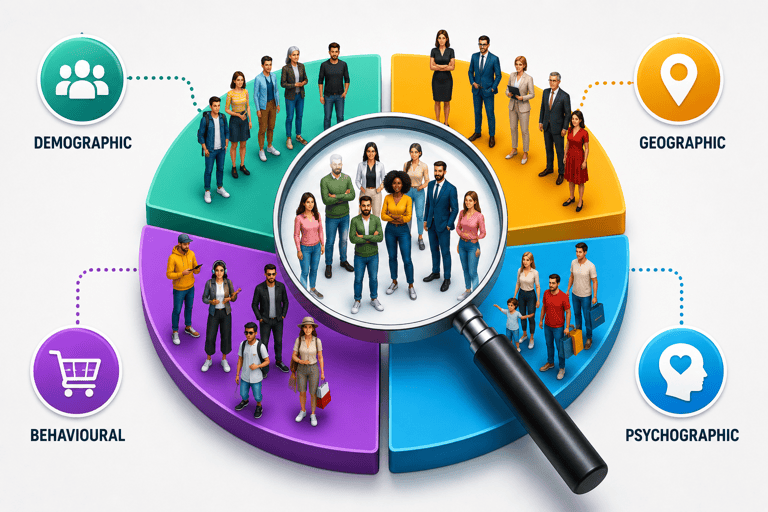
Not all customers behave in the same way. Audience segmentation allows businesses to group consumers according to shared characteristics and behaviours.
Demographic segmentation focuses on factors such as age, income, occupation, and education. Geographic segmentation considers location-based differences. Behavioural segmentation examines purchasing habits, loyalty patterns, and usage behaviours. Psychographic segmentation explores values, interests, and lifestyle preferences.
Accurate segmentation allows marketers to create more relevant messaging and improve campaign effectiveness.
Customer Personas and Buyer Profiles
Customer personas help businesses visualise and understand their ideal customers. These profiles combine behavioural data, market research, and customer insights to create realistic representations of target audiences.
Well-developed personas help marketing teams make more informed decisions regarding messaging, content creation, advertising strategies, and customer experiences. They also help align marketing, sales, and customer service activities around shared customer understanding.
The Role of Consumer Behaviour in Digital Marketing
Search Engine Optimisation (SEO)
Consumer behaviour directly influences search activity. Understanding search intent helps businesses create content that matches customer needs at different stages of the buying process.
Some users seek information, while others compare options or prepare to purchase. Successful SEO strategies align content with these varying intentions and provide relevant information at each stage.
Content Marketing
Content marketing performs best when it addresses genuine customer questions and challenges. Consumers increasingly expect helpful, educational content rather than purely promotional messaging.
Businesses that consistently publish useful information can build authority, trust, and visibility. Strong content often supports multiple objectives, including brand awareness, lead generation, and customer retention.
Social Media Marketing
Consumer behaviour differs significantly across social media platforms. Understanding audience preferences helps businesses create content that encourages engagement and interaction.
Successful social media strategies focus on providing value, building relationships, and fostering conversations rather than simply promoting products and services.
Email Marketing
Behaviour-based email marketing enables organisations to deliver more relevant communications. Customer actions, preferences, and purchasing histories can help inform personalised messaging.
Targeted email campaigns often generate stronger engagement because they reflect individual customer interests and behaviours rather than broad audience assumptions.
Trends Changing Consumer Behaviour in the UK
The Rise of Digital-First Consumers
Digital technology has fundamentally changed how consumers interact with businesses. Many purchasing journeys now begin online, even when the final transaction takes place offline. Customers often research products, compare providers, read reviews, and evaluate alternatives before contacting a business.
Mobile devices have accelerated this trend. Consumers expect websites, content, and customer experiences to function seamlessly across smartphones, tablets, and desktops. Businesses that fail to meet these expectations risk losing potential customers before meaningful engagement occurs.
Digital-first behaviour has also shortened attention spans. Consumers can access competing solutions within seconds, making relevance, speed, and user experience increasingly important components of successful marketing strategies.