 Skip to main content
Skip to footer
Skip to main content
Skip to footer

Marketing Strategy, Marketing Techniques, Marketing Tips
Test and Measure Every Stage of Your Marketing Funnel for Better ROI

How to Track Performance Across Your Marketing Funnel
Marketing has become more measurable than ever before, yet many businesses still struggle to understand which activities genuinely contribute to growth. Marketing reports often contain impressive figures such as website visits, impressions, clicks and social media engagement, but these numbers alone rarely explain whether marketing investment is producing profitable results. Business owners, directors and marketing managers need more than activity reports. They need meaningful data that supports informed commercial decisions.
A successful marketing funnel provides far more than a route from prospect to customer. It creates a structured framework that allows businesses to monitor performance at every stage of the customer journey. Measuring each stage reveals where prospects progress smoothly, where they hesitate, and where they leave the buying process altogether. This knowledge allows organisations to improve marketing performance through informed adjustments rather than assumptions or guesswork.
Opportunity Marketing advocates a strategy first approach, where measurement begins before additional marketing investment is made. Every campaign, marketing channel and customer interaction should contribute towards clearly defined commercial objectives that support sustainable business growth. This philosophy reflects the importance of making marketing accountable through measurable performance and return on investment.
Strategic Marketing Mastery Course helps business owners, marketing managers, consultants and aspiring marketing professionals develop the knowledge and practical skills needed to measure, analyse and optimise every stage of the marketing funnel for stronger commercial results. The course teaches a structured, data driven approach to marketing strategy, enabling learners to improve conversion rates, reduce marketing waste, make informed investment decisions and build marketing plans that deliver measurable return on investment. Contact Us: 0333 320 4108 or info@opportunitymarketing.co.uk.
What Is a Marketing Funnel?
Understanding the Customer Journey
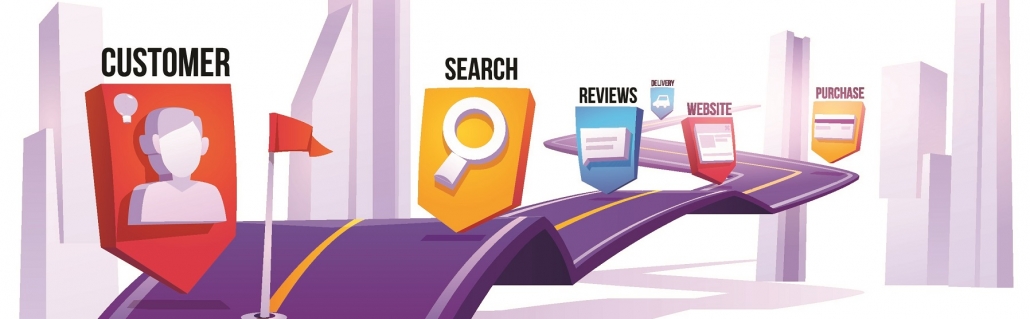
A marketing funnel represents the complete journey that potential customers take before becoming loyal advocates of a business. Rather than viewing marketing as a collection of separate activities, the funnel presents a connected process where each stage influences the next. Every interaction provides opportunities to build awareness, increase trust, answer questions and encourage purchasing decisions.
Most buying decisions are rarely made immediately after a customer first discovers a business. Prospective customers typically research several providers, compare products or services, seek recommendations and gradually build confidence before making contact. Understanding this journey allows businesses to create marketing activities that match customer expectations at every point.
Typical Marketing Funnel Stages
Most marketing funnels can be divided into the following stages:
- Awareness
- Interest
- Consideration
- Intent
- Conversion
- Customer Retention
- Customer Advocacy
Each stage has different objectives, different customer behaviours and different performance indicators. Measuring them independently provides much greater visibility than simply monitoring final sales figures.
Why Every Stage Should Be Measured
Small Improvements Create Significant Business Growth
Many businesses concentrate almost entirely on measuring sales while overlooking the earlier stages that influence purchasing decisions. This approach limits opportunities for improvement because the causes of poor performance often originate much earlier within the customer journey.
Suppose a business attracts thousands of website visitors every month but receives very few enquiries. The issue may not lie with the sales team. Instead, the website messaging may be unclear, calls to action may be weak, or visitors may not immediately understand the value being offered. Measuring only completed sales would never identify these problems.
Small improvements across multiple stages often produce substantial commercial benefits. A modest increase in website engagement, combined with slightly higher enquiry rates and improved sales conversion, can dramatically increase revenue without increasing marketing expenditure.
Benefits of Measuring Every Stage
Monitoring each stage of the funnel provides numerous commercial advantages.
- Improved return on marketing investment.
- Better understanding of customer behaviour.
- Reduced customer acquisition costs.
- Stronger conversion rates.
- More efficient allocation of marketing budgets.
- Earlier identification of performance issues.
- Greater confidence when making strategic marketing decisions.
Marketing becomes significantly more predictable when decisions are supported by reliable performance data rather than assumptions.
Stage One: Measuring Brand Awareness
Are You Reaching the Right Audience?
Brand awareness represents the starting point of every marketing funnel. Many organisations focus heavily on generating large volumes of website traffic, yet visitor numbers alone reveal very little about marketing quality. Successful awareness campaigns attract relevant audiences who have genuine interest in the products or services being offered.
High traffic from poorly targeted audiences frequently results in low engagement and poor conversion. Smaller volumes of highly relevant visitors often produce far better commercial outcomes.
Key Metrics
Several measurements help evaluate awareness performance.
- Organic search traffic
- Website visitors
- Direct website visits
- Brand related search activity
- Referral traffic
- Social media reach
- Paid advertising impressions
Each metric should be evaluated alongside visitor quality rather than considered individually.
Questions to Ask
Businesses should regularly ask several important questions.
- Are we attracting our intended audience?
- Which marketing channels generate qualified visitors?
- Which channels produce poor quality traffic?
- Which content attracts the highest engagement?
- Are visitors progressing beyond their first website visit?
These questions help identify where marketing budgets should be concentrated.
Stage Two: Measuring Interest and Engagement

Turning Visitors Into Prospects
Generating awareness is only the beginning. Marketing must encourage visitors to spend time learning about the organisation and its solutions. Engagement indicates whether marketing messages successfully address customer challenges and build confidence.
Visitors who leave immediately often signal a mismatch between audience expectations and marketing content. Longer engagement usually suggests that customers are finding useful information that supports their buying journey.
Key Metrics
Useful engagement measurements include:
- Average time spent on pages
- Bounce rate
- Pages viewed per visit
- Email newsletter subscriptions
- Resource downloads
- Video viewing completion
- Webinar registrations
Looking at these figures together provides much stronger insight than relying on a single metric.
What Good Engagement Tells You
Strong engagement often indicates that:
- Marketing messages address customer needs.
- Website content answers important questions.
- Visitors trust the information presented.
- Customers are progressing naturally through the buying process.
- Marketing content supports informed purchasing decisions.
Engagement should always support commercial objectives rather than becoming an objective in its own right.
Stage Three: Measuring Consideration
Building Trust Before the Buying Decision
Potential customers frequently compare several businesses before selecting a supplier. This consideration stage is where trust becomes increasingly important. Prospects seek reassurance that they are making the correct decision.
Organisations that provide detailed guidance, transparent information and evidence of expertise often outperform competitors who concentrate solely on promotional messaging.
Key Metrics
Businesses should monitor:
- Service page visits
- Product page engagement
- Pricing page views
- Case study downloads
- Consultation requests
- Contact form submissions
- Email engagement
Each action demonstrates increasing purchase intent.
Signs Your Funnel Needs Improvement
Several warning signs suggest weaknesses within the consideration stage.
High website traffic combined with very few enquiries often indicates unclear messaging or weak calls to action. Strong engagement alongside poor conversion may suggest that pricing information, credibility or customer confidence requires improvement. Prospects abandoning contact forms could indicate unnecessary complexity or friction within the enquiry process.
Regular measurement allows businesses to identify these issues before they significantly affect revenue.
Stage Four: Measuring Conversion Performance
Turning Prospects Into Customers
Conversion represents the point where marketing performance becomes directly connected with commercial success. This stage demonstrates whether marketing investment produces profitable outcomes rather than simply generating activity.
Successful marketing consultancies view conversion measurement as a commercial discipline supported by financial analysis rather than creative opinion.
Essential Conversion Metrics
Several metrics deserve continuous attention.
- Conversion rate
- Cost per Lead
- Cost per Acquisition
- Sales conversion percentage
- Marketing Return on Investment
- Revenue generated
- Gross profit generated
These figures provide meaningful insight into marketing effectiveness and support better investment decisions.
Focus on Commercial Outcomes Rather Than Vanity Metrics
Many marketing reports continue to prioritise impressions, followers, likes and engagement figures. Although these measurements provide useful context, they rarely demonstrate commercial success on their own.
Business leaders require answers to much more important questions.
- How many qualified leads were generated?
- How much revenue resulted from marketing activity?
- What profit was created?
- Which channels delivered the strongest return?
- Which activities should receive additional investment?
Return on Investment remains one of the most valuable measurements because it connects marketing activity directly with financial performance. Marketing should always be evaluated as an investment rather than simply an operational expense.
Stage Five: Measuring Customer Retention
Your Marketing Does Not End After the First Sale
Many organisations devote considerable resources towards acquiring new customers while overlooking the substantial value held within their existing customer base. Customer retention frequently produces higher profitability because existing customers already understand the organisation and require lower acquisition costs.
Long term customer relationships also create opportunities for repeat purchases, additional services and referrals.
Important Metrics
Businesses should monitor:
- Customer retention rate
- Repeat purchase frequency
- Customer Lifetime Value
- Customer Lifetime Profit Value
- Customer satisfaction
- Renewal rates
- Referral activity
Customer Lifetime Profit Value provides particularly valuable insight because it focuses on long term profitability rather than individual transactions. Businesses that understand lifetime customer value can make far more informed decisions regarding marketing budgets and acquisition costs.
Why Retention Delivers Better Return on Investment
Retaining customers generally costs considerably less than continually replacing them with new ones. Existing customers often purchase additional products or services, recommend colleagues and become long term advocates.
Improving customer retention even slightly can produce meaningful increases in profitability without increasing marketing expenditure.

Stage Six: Measuring Customer Advocacy
Your Best Marketing Comes From Existing Customers
Satisfied customers often become one of the most valuable marketing assets a business possesses. Positive recommendations, online reviews, referrals and testimonials carry significant credibility because they come from independent individuals who have experienced the products or services first hand. Prospective customers frequently place greater trust in recommendations from existing customers than they do in advertising or promotional material.
Customer advocacy represents the final stage of a successful marketing funnel, but it should never be viewed as the end of the customer journey. Every positive customer experience creates opportunities to generate additional enquiries, strengthen brand reputation and reduce future customer acquisition costs. Organisations that actively encourage advocacy often develop sustainable growth because existing customers continuously introduce new prospects into the marketing funnel.
Metrics Worth Monitoring
Customer advocacy should be measured using meaningful indicators that demonstrate genuine customer loyalty and satisfaction.
- Customer referrals
- Online reviews
- Customer testimonials
- Repeat recommendations
- Case study participation
- Net Promoter Score where applicable
- Referral conversion rates
Tracking these measurements allows businesses to understand how effectively they create loyal customers who actively promote the organisation. Strong advocacy also highlights areas where customer service, product quality and overall customer experience are delivering measurable value beyond the initial sale.